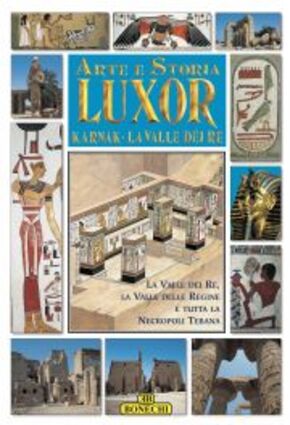
Discover the heart of ancient Egypt with Luxor, Karnak, and the Valley of the Kings, a captivating exploration of one of the world’s greatest archaeological regions. This extraordinary destination, often described as the world’s largest open-air museum, brings together monumental temples, royal tombs, and timeless history along the banks of the Nile. Ideal for history lovers, travelers, students, and cultural explorers, this guide reveals the grandeur, mystery, and enduring legacy of Egypt’s golden age.
Luxor stands on the site of ancient Thebes, once the powerful capital of the New Kingdom. The city is home to some of Egypt’s most iconic monuments, including Luxor Temple, beautifully illuminated at night and connected to Karnak by the historic Avenue of Sphinxes. Visitors can stroll through towering columns, intricately carved reliefs, and sacred courtyards that once hosted grand religious festivals and royal ceremonies. Luxor today blends ancient splendor with modern life, offering vibrant markets, Nile cruises, museums, and cultural experiences that make every visit unforgettable.
At the northern edge of the city lies the awe-inspiring Karnak Temple Complex, the largest religious structure ever built. Dedicated primarily to the god Amun, Karnak took more than 2,000 years to complete, with contributions from dozens of pharaohs. Its Great Hypostyle Hall, with 134 massive columns carved with hieroglyphs and reliefs, is one of the most breathtaking architectural achievements in human history. Obelisks, sacred lakes, pylons, and chapels reveal the evolving religious, political, and artistic life of ancient Egypt, making Karnak an essential highlight for anyone seeking to understand the civilization’s spiritual foundations.
Across the Nile on the West Bank lies the legendary Valley of the Kings, the burial ground of Egypt’s most powerful rulers, including Tutankhamun, Ramses II, and Seti I. Hidden among desert cliffs, these royal tombs are adorned with vivid wall paintings, intricate carvings, and sacred texts intended to guide pharaohs through the afterlife. Each tomb tells a unique story, offering insight into ancient beliefs, funerary rituals, and artistic traditions. The discovery of Tutankhamun’s intact tomb in 1922 remains one of the most famous archaeological finds in history.
Richly illustrated with photographs, maps, and historical context, Luxor, Karnak, and the Valley of the Kings provides a comprehensive and inspiring journey through ancient Egypt’s most remarkable sites. Whether you are planning a trip to Egypt, studying archaeology, or simply fascinated by ancient civilizations, this guide offers a deep and engaging look into a world of gods, kings, temples, and eternal monuments. Step into the timeless landscape of the Nile Valley and experience the wonder, mystery, and magnificence of Egypt’s glorious past.










Reviews
There are no reviews yet.